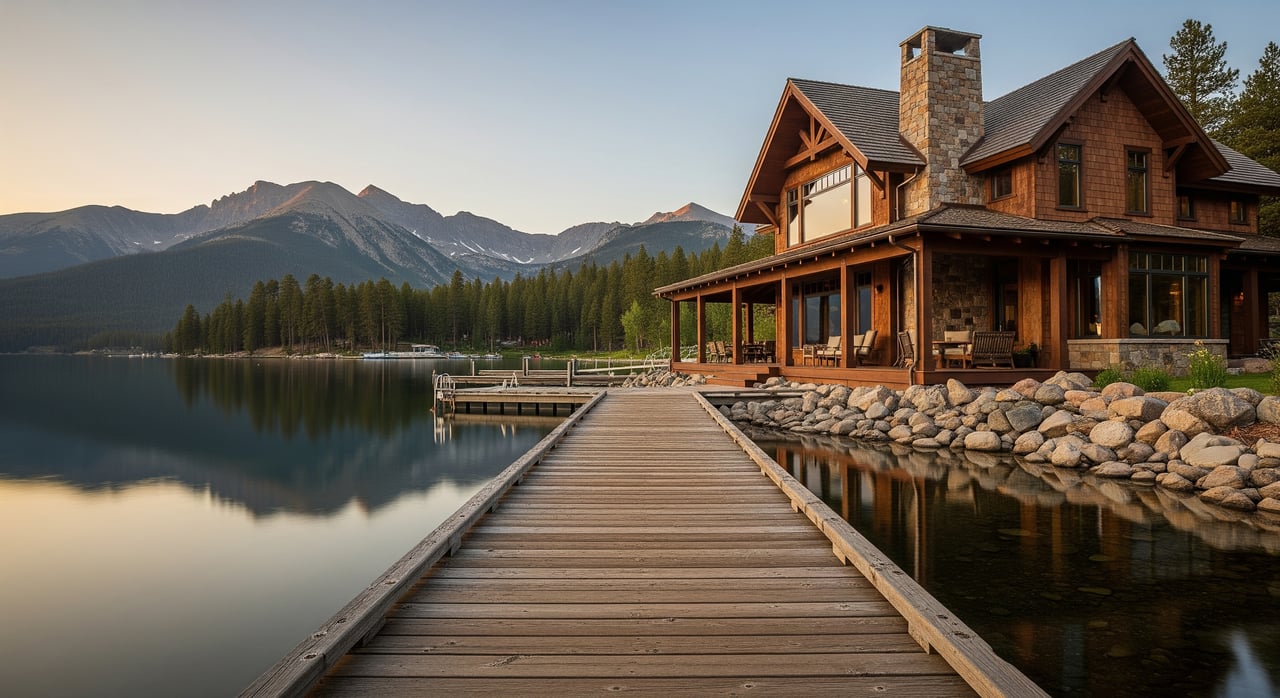
Buying in Grand Lake should feel exciting, not confusing. If you have questions about title insurance, you are not alone. Mountain properties can come with access questions, older plats, and recorded restrictions that are easy to miss. In this guide, you will learn what title insurance does, how owner and lender policies differ, what to watch for around Grand Lake, what costs to expect, and the key steps to protect your investment. Let’s dive in.
Title insurance basics
Title insurance is a one-time policy you buy at closing that protects against covered title defects that existed before you took ownership. It is different from other insurance because it looks backward at past events instead of future accidents. If a covered problem surfaces later, the policy can help defend your ownership and cover financial loss up to the policy limits.
Owner vs. lender policies
- Owner’s policy: Protects you, the buyer, for as long as you or your heirs hold the property. Coverage typically equals the purchase price. It helps with issues like recorded liens, errors in public records, or forged deeds, subject to policy terms and exceptions.
- Lender’s policy: Protects the mortgage lender’s interest for the life of the loan. It covers the loan amount, not your equity. Most lenders require this as a condition of funding.
Key takeaway: A lender’s policy protects the bank. An owner’s policy protects you. If you want your equity covered, ask for an owner’s policy.
How coverage works
Before issuing policies, the title company completes a title search and provides a title commitment. This commitment lists recorded matters tied to the property that the insurer plans to exclude unless cleared or specifically insured over. You and your agent should review it carefully and request clarity on anything you do not understand.
What your title commitment shows
Your commitment highlights liens, easements, covenants and restrictions, taxes, and any other recorded items that affect the property. You will also see standard exceptions that the insurer does not cover unless modified or removed.
Common exceptions
Standard owner policies usually exclude:
- Issues you create or agree to after closing
- Unrecorded easements or rights not shown in public records
- Survey matters, boundary lines, and encroachments without a survey endorsement
- Zoning or building permit compliance
- Water or mineral rights unless specifically insured
- Recorded easements or restrictions that will remain in place
- Taxes and assessments not yet due
Ask the title officer which exceptions can be cleared and which will stay. If something cannot be cleared, your options may include negotiating with the seller, seeking an endorsement, or adjusting your plans for the property.
Endorsements that add protection
Depending on the property and your goals, you can request targeted endorsements, such as:
- Survey coverage to address boundary and encroachment risks
- Access and right-of-way coverage to confirm legal access to a public road
- Limited zoning or land-use endorsements
- Mineral or water rights endorsements where available
Endorsements increase cost but can be valuable in the mountains where access, terrain, and historic use often matter.
Grand Lake risks to watch
Grand Lake and the surrounding areas of Grand County share several mountain-market quirks. These can affect your ability to build, finance, or use the property the way you intend.
Access and roads
- Legal access: Confirm there is recorded access from the lot to a public road. If access relies on private or platted-but-unopened roads, ask for the recorded documents that grant and define that access.
- Maintenance responsibility: Determine who maintains the road. Look for a recorded maintenance agreement or HOA provisions. If maintenance is informal, you could face future disputes or unexpected costs.
- Seasonal access: Some roads are plowed only part of the year. Seasonal access can affect financing and insurance. Your lender may require an access endorsement or additional verification.
Easements and utility corridors
Utility, pipeline, conservation, or historic access easements are common and will appear as exceptions. On mountain lots with slope or limited buildable area, even a routine easement can influence driveway placement, site design, and privacy. Request copies and understand location and scope.
Surveys, boundaries, and encroachments
Older plats, missing monuments, and rugged terrain increase the chance of boundary questions. A current ALTA/NSPS survey and a survey endorsement can help you avoid disputes about fences, driveways, or neighboring improvements.
Water, wells, and septic
Colorado treats water rights separately from the surface estate. Title policies typically exclude unrecorded or undecreed water rights. If the property uses a well, verify the well permit and allowed uses. For septic, confirm permits and any recorded health department actions. Title insurance does not cover system condition, so pair your document review with inspections.
Mineral rights and resource reservations
Past deeds may have reserved mineral rights to a prior owner or the state. You should confirm whether minerals were severed and whether any surface-use limitations apply. Logging or forest management agreements can also appear in records.
HOAs, covenants, and restrictions
Mountain subdivisions often have covenants that regulate building design, vehicle storage, or short-term rentals. These are recorded and will be title exceptions. Read them early so you are comfortable with the rules.
Federal and state land next door
Properties near the National Park, U.S. Forest Service, or BLM lands may have historic access routes, trail easements, or unique boundary considerations. Verify the exact boundary line and whether any recorded rights cross your parcel.
Natural hazards and insurance
Title insurance does not cover wildfire risk, soil movement, flood zones, or environmental contamination. Separate hazard insurance and expert assessments are your best tools for these exposures.
Costs and who pays
Title insurance premiums are one-time charges based on the policy amount, plus closing-related fees for searches, escrow services, recording, and courier needs. The owner’s policy is usually based on the purchase price, while the lender’s policy is based on the loan amount. Endorsements add cost.
Who pays can vary by market and by deal. In some Colorado areas sellers cover the owner’s policy as part of custom, while buyers pay the lender’s policy. In Grand Lake and Grand County, practices can differ from metro Denver. Confirm current local custom with your agent and the title company, and negotiate based on your offer terms. Ask for a good-faith estimate of title charges early so you can budget accurately.
Buyer checklist for Grand Lake
Use this practical list to stay on track from offer to closing.
Before you write an offer
- Ask whether the seller will provide and pay for an owner’s policy
- Request the most recent title commitment, any survey, and recorded documents
- For land or complex parcels, plan for an ALTA/NSPS survey contingency
- Verify well permits or water rights that support your intended use
- Confirm septic permits and any recorded health orders
- Review access status and road maintenance responsibilities
Under contract
- Review the title commitment line by line with your agent and title officer
- Identify which exceptions will be cleared and which will remain
- Order endorsements that fit the property, like survey or access coverage
- Confirm who pays each title cost and get an updated fee estimate
- If access is limited or seasonal, discuss lender requirements and options
- For parcels near public lands, request boundary evidence and any historic access documents
Closing and beyond
- Purchase an owner’s policy if affordable and recommended for your situation
- Keep your policy and recorded documents in a safe place
- If a title issue surfaces after closing, notify the insurer promptly
Local offices and resources
These local contacts help verify records and answer property questions in Grand County:
- Grand County Clerk & Recorder: Deeds, plats, easements, and the official title chain
- Grand County Assessor: Parcel data, assessed values, and legal descriptions
- Grand County Treasurer: Property tax status and tax liens
- Grand County Planning & Zoning and Building: Zoning, permitted uses, building permits, septic approvals, and road dedication history
- Town of Grand Lake: Town roads, utilities, and local ordinances for in-town properties
- Colorado Division of Water Resources: Well permits, decrees, and ditch company records
- U.S. Forest Service, National Park Service, and BLM: Boundary and historic access guidance when parcels abut public lands
- Local title companies and real estate attorneys: Title commitments, premium quotes, endorsements, and advice on complex issues
How a trusted advisor helps
Mountain transactions reward proactive due diligence. You want a teammate who understands Grand Lake’s access, survey, water, and covenant questions and can coordinate the right experts fast. A coaching-style approach keeps you informed, on schedule, and confident at every step.
If you are planning a Grand Lake purchase, connect with an experienced Colorado team that works both the Front Range and mountain corridors. For clear guidance, strong negotiation, and smooth closing support, reach out to Monica Graves.
FAQs
What does an owner’s title policy cover for a Grand Lake home?
- It protects your ownership and equity against many covered past defects like recorded liens or forged deeds, subject to policy terms and listed exceptions.
Do I need an owner’s policy if my lender requires title insurance?
- Yes if you want your equity protected, because the lender’s policy only covers the lender’s interest up to the loan amount.
Will title insurance cover boundary or encroachment issues in the mountains?
- Standard policies exclude survey matters, so you may need a current ALTA/NSPS survey and a survey endorsement for added protection.
How are title insurance costs handled in Grand Lake?
- Premiums are one-time and based on policy amounts, and who pays can vary by local custom and negotiation, so confirm early with your agent and title company.
Can title insurance help if there is no clear road access?
- You can request an access endorsement, but if legal access is not established, financing may be affected and you should resolve access before closing.
Does title insurance cover water rights, wells, or septic problems?
- Water rights and septic condition are typically outside standard coverage, so verify permits and approvals with the appropriate state and county offices.