Deciding between the energy of central Denver and the breathing room of the suburbs can feel like choosing between two great lifestyles. You might picture morning coffee on a walkable block one day, then imagine barbecues in a larger backyard the next. You’re not alone, and the good news is you can make a confident choice with a few clear comparisons. In this guide, you’ll see how daily life plays out in each option, from commute rhythms and errands to housing styles, schools, and weekend access. Let’s dive in.
Central Denver: How daily life feels
Housing and neighborhood rhythm
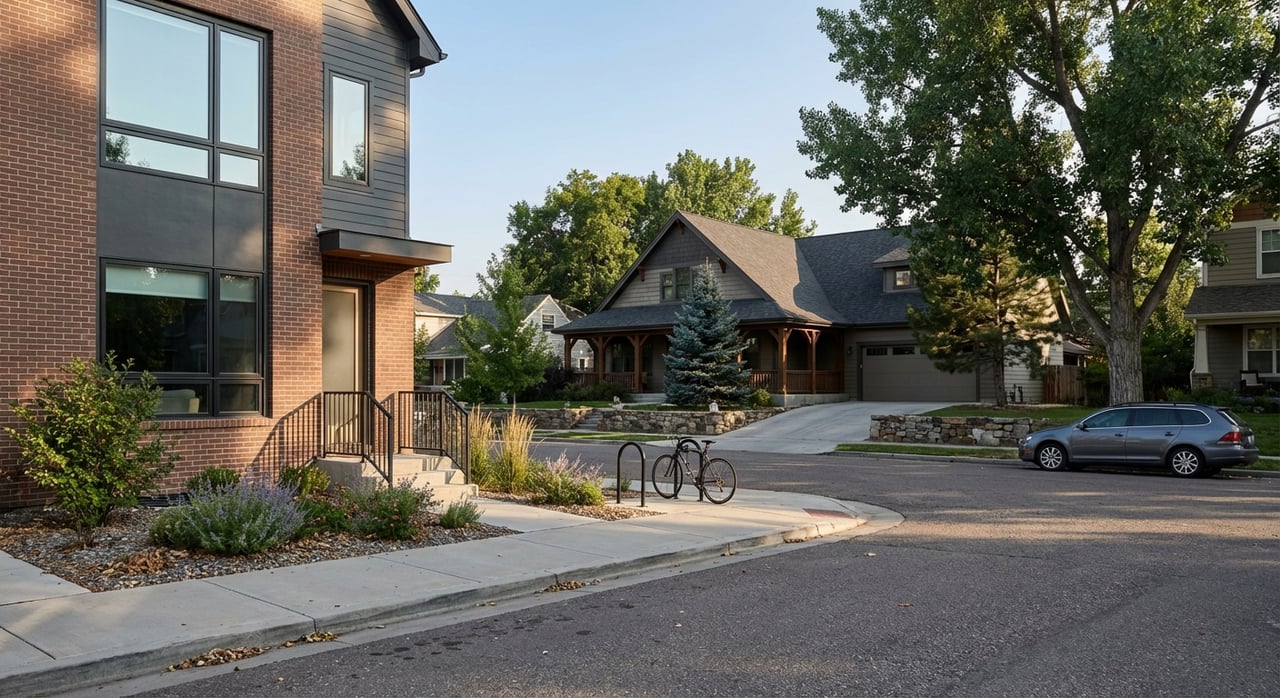
Central Denver neighborhoods mix high and mid-rise condos, townhomes, classic bungalows, and historic lofts. Places like Capitol Hill, LoDo, LoHi, Five Points, Baker, Wash Park, and Cherry Creek often put cafés, shops, and cultural venues close together. Citywide, about 48.8% of housing units are owner-occupied based on 2020–2024 Census estimates, which helps explain the larger share of condos and rentals you see in close-in areas compared with many suburbs. You will generally trade yard size for proximity to daily conveniences. (U.S. Census QuickFacts: Denver)
Commutes and getting around
If you work downtown or along central corridors, your travel can be short and flexible. The average one-way commute inside Denver is about 24.9 minutes according to 2020–2024 Census data. Many residents mix walking, biking, rideshare, and RTD. If you fly often, the RTD A Line connects Union Station to Denver International Airport in roughly 37 minutes, which is a big convenience for city flyers. (U.S. Census QuickFacts: Denver, A Line travel time)
Walkability and errands
Central Denver is where walkability shines. Neighborhoods like Capitol Hill, LoDo, LoHi, and Five Points frequently score high for walking and transit, making spontaneous coffee runs and dinner out simple without a car. If biking is part of your routine, the city is expanding a connected bikeway network that aims to make year-round riding more comfortable in central neighborhoods. (Denver walkability snapshot, Denver bikeway network)
Costs and common tradeoffs
Central living usually means paying for proximity. You may see higher HOA fees in condo buildings, limited or paid parking, and smaller private outdoor space. The upside is time saved on errands and a richer mix of restaurants, fitness studios, and cultural events within a few blocks. If price comparisons help, the Zillow Home Values Index for the Denver–Aurora–Lakewood metro was about $558,508 as of December 2025, while local market updates in 2025 often showed median sale prices ranging roughly from $590,000 to $665,000 depending on month and property type. Always look at the metric and date when you compare values. (ZHVI December 2025; market trend coverage)
The Suburbs: How daily life feels
Where you might look
Popular suburban options ring the city in every direction. East and southeast include Aurora, Centennial, and Parker. West and southwest include Lakewood, Golden, Littleton, and Highlands Ranch. North and northwest include Arvada, Westminster, Thornton, and Broomfield. Each community offers a different feel, from master-planned enclaves with newer construction to mature areas with established parks and local shopping.
Homes, yards, and ownership
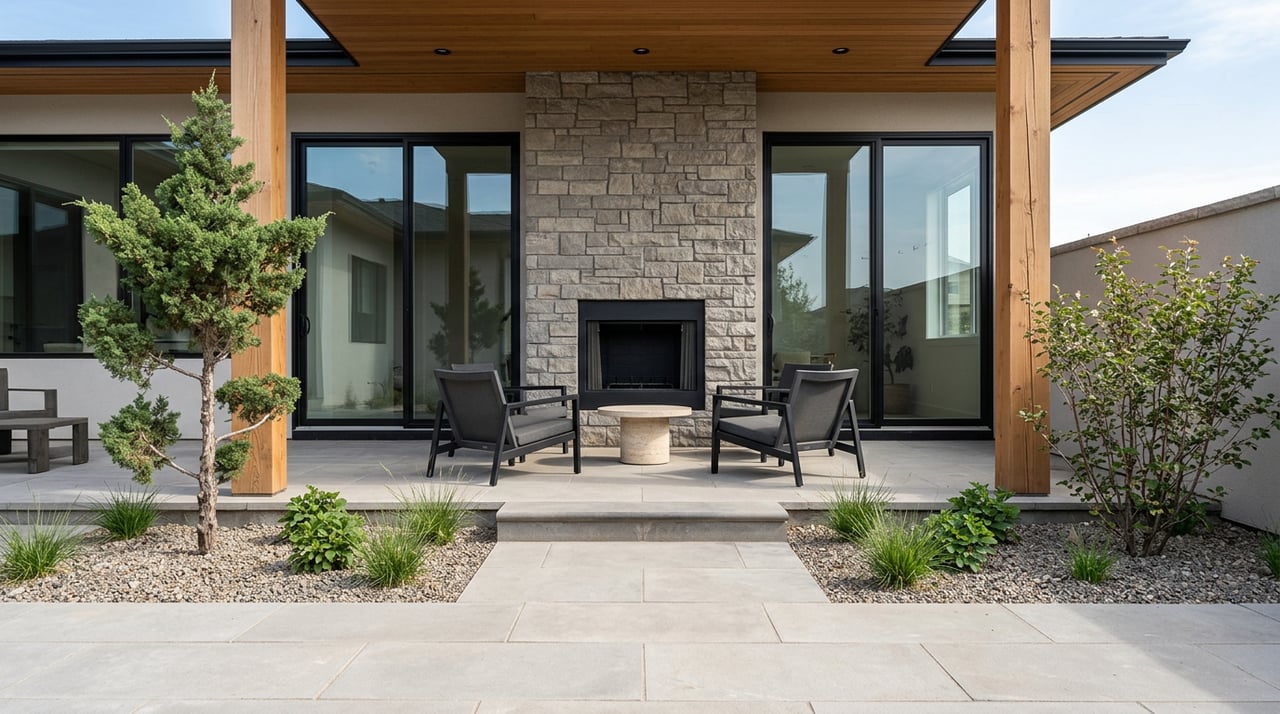
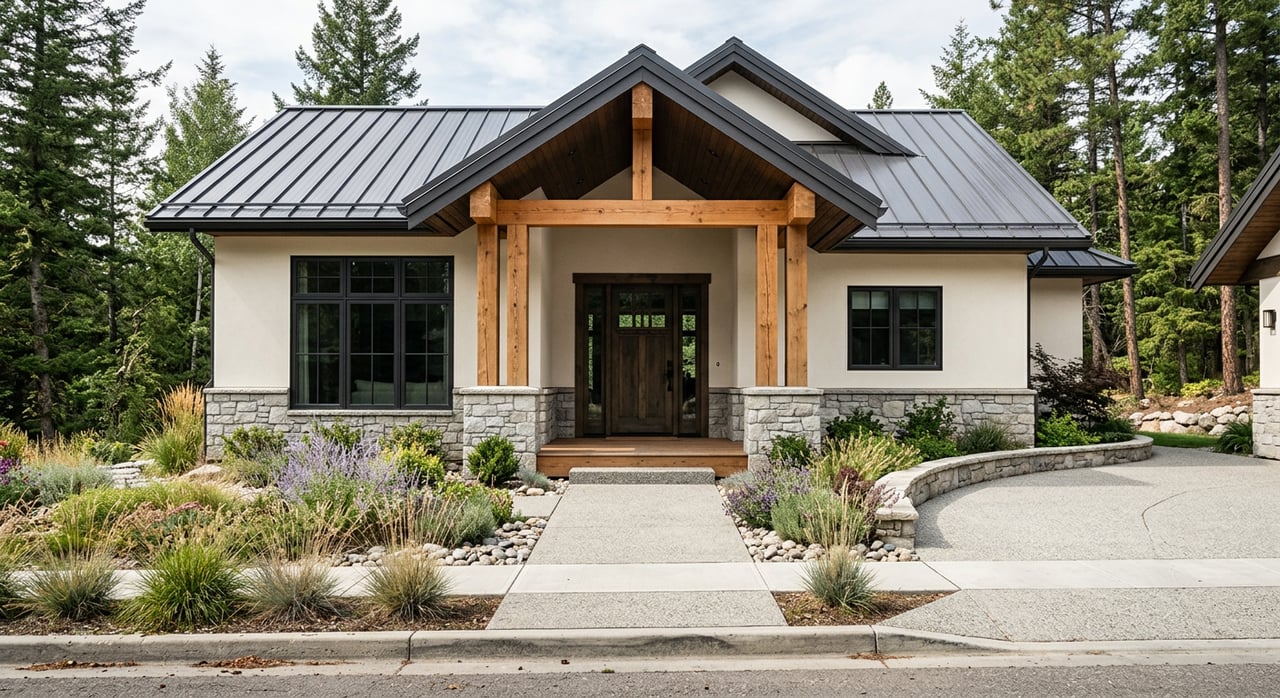
Detached single-family homes and townhomes dominate in many suburbs, often with garages and fenced yards. Homeownership rates are typically higher than in the city. For example, Jefferson County’s owner-occupied rate sits around 70.6% and Arapahoe County’s around 65.1%, which supports the narrative of more private space. Expect newer subdivisions in many areas and the possibility of more square footage for the price compared with close-in neighborhoods. (Jefferson County profile)
Commutes and daily driving
Driving is the default in most suburbs. County averages often run a few minutes longer than Denver’s citywide commute. As a simple comparison point, Arapahoe County’s mean one-way travel time is about 27.3 minutes in 2019–2023 Census QuickFacts. RTD rail and park-and-ride options exist in some suburbs, but service frequency and first or last mile connections vary by location, so you will want to test your exact route. (U.S. Census QuickFacts: Arapahoe County)
Schools and family services
Many families prioritize specific district performance and programs when comparing suburbs. Districts like Cherry Creek, Douglas County, and Jeffco are often cited in rankings. For example, Cherry Creek School District appears among top districts in Colorado on some popular ranking lists. Always verify boundaries and current data directly with the district before making a decision. (Cherry Creek School District rankings)
Weekends and the outdoors
Trails inside the city
Whether you live downtown or in the suburbs, Denver’s regional trail system is a shared asset. Central residents often hop on the Cherry Creek Trail or the South Platte Greenway for morning runs or bike rides without loading the car. These paths connect across the metro, making it easy to plan longer weekend rides from the city. (Denver parks and trails overview)
Foothills and mountain access
Suburbs nearer the foothills, like Golden or Evergreen, can shorten your drive to nearby trailheads compared with many central neighborhoods. From central Denver, a typical drive to Estes Park and Rocky Mountain National Park is roughly 65 to 80 miles and can take 1.5 to 2 hours depending on route and conditions. Consider how often you head west on weekends and weigh that into your location choice. (Getting to Estes Park)
Price and market context you can use
When you compare neighborhoods, name your metric and the time frame. Here are two that help frame the metro conversation:
- Zillow Home Values Index for the Denver–Aurora–Lakewood market: about $558,508 in December 2025. This is a broad index of “typical” values across the metro.
- Local 2025 market updates often reported median sale prices roughly in the $590,000 to $665,000 range depending on the month and property type. Medians reflect what sold during a period, not the value of every home. (Market trend coverage)
Inside the city, you also see a split between owners and renters. About 48.8% of Denver’s housing units are owner-occupied based on 2020–2024 estimates, which lines up with the broader mix of condos, lofts, and smaller lot single-family homes you find close to downtown. (U.S. Census QuickFacts: Denver)
Real-world routine snapshots
Central Denver: a weekday
- Walk 10 to 20 minutes to the office or hop on light rail for a 10 to 25 minute ride.
- Grab lunch and run an errand on foot within a few blocks.
- Join a workout class near home, then meet friends for dinner without moving the car.
Suburban household: a weekday
- Morning school drop-off, then commute by car with travel time tied to I‑25, C‑470, I‑70, or local traffic.
- Complete errands by car near home or in a nearby retail center.
- Evening family time in the backyard or local rec center.
Outdoor-first households
- Central Denver: quick spins on urban trails and easy transit to Union Station for airport runs.
- Suburbs closer to the foothills: shorter drives to many trailheads and mountain towns for weekend hikes and ski days.
Try-before-you-buy checklist
- Test your commute at peak time. Drive it twice and, if relevant, compare with an RTD trip. Your first or last mile matters more than a straight-line distance.
- Walk the block morning, midday, and night. Look for lighting, grocery access, and café density. Use walkability scores as a filter, then trust your on-the-ground experience. (Denver walkability snapshot)
- Map your weekend routine. If you mountain bike, ski, or hike most weekends, clock actual drive times from a few candidate addresses to your favorite trailheads. (Denver parks and trails overview)
- Check airport timing. If you fly often, try the A Line from Union Station to DIA for a true feel of that 37 minute ride. (A Line travel time)
- Build a realistic budget. Factor HOA fees, potential parking costs, yard care, and utility differences between a condo and a detached home. Pair a metro-wide value index with current neighborhood comps for the clearest picture. (Market trend coverage)
Which fit is right for you?
- If you want walkability and transit: explore central Denver neighborhoods such as Capitol Hill, LoDo, LoHi, Five Points, Baker, and Cherry Creek for shorter commutes and easy errands. (U.S. Census QuickFacts: Denver, Denver walkability snapshot)
- If you want more private space and a car-friendly routine: consider suburbs like Lakewood, Littleton, Highlands Ranch, Centennial, Parker, Arvada, and Broomfield for larger lots and higher homeownership rates in many areas. (Jefferson County profile)
- If schools are a top priority: research district performance and confirm boundaries for the exact property. Districts such as Cherry Creek often appear near the top of ranking lists. (Cherry Creek School District rankings)
- If mountain access drives your weekends: suburbs near the foothills may shave time to trailheads, while central Denver offers quick access to urban trails and reliable airport connections for travel days. (Getting to Estes Park)
Ready to compare addresses and tour options that fit your lifestyle and budget? Let’s talk through your must-haves, set up commute and neighborhood tests, and map a clear plan. To get started or to prep your home for market, connect with Monica Graves. Request your free home valuation.
FAQs
What is the average Denver city commute time?
- The mean one-way commute in Denver is about 24.9 minutes based on 2020–2024 Census estimates. (U.S. Census QuickFacts: Denver)
How do suburban commute times compare to the city?
- Many suburban counties post slightly longer averages; for example, Arapahoe County’s mean is roughly 27.3 minutes in 2019–2023. (U.S. Census QuickFacts: Arapahoe County)
Are central Denver neighborhoods walkable for daily errands?
- Yes, several central neighborhoods frequently score high for walkability and transit, which supports errands and dining without a car. (Denver walkability snapshot)
Do suburbs usually offer larger yards and more ownership opportunities?
- Generally yes. Many suburbs lean toward detached single-family homes and have higher owner-occupied rates than the city. (Jefferson County profile)
How long does it take to reach the mountains from central Denver?
- A typical drive to Estes Park and Rocky Mountain National Park is about 65 to 80 miles and can take 1.5 to 2 hours, depending on route and conditions. (Getting to Estes Park)